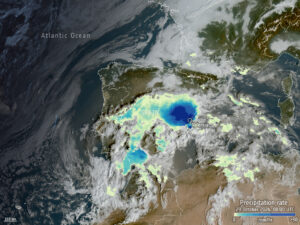
ESA Phi-Lab Spain fosters innovation and collaboration at its Sevilla event
The session brought together key actors from the Andalusian and Spanish space ecosystem to explore new opportunities for innovation, collaboration, and technological development within the space sector.
Sevilla, 7 November 2025
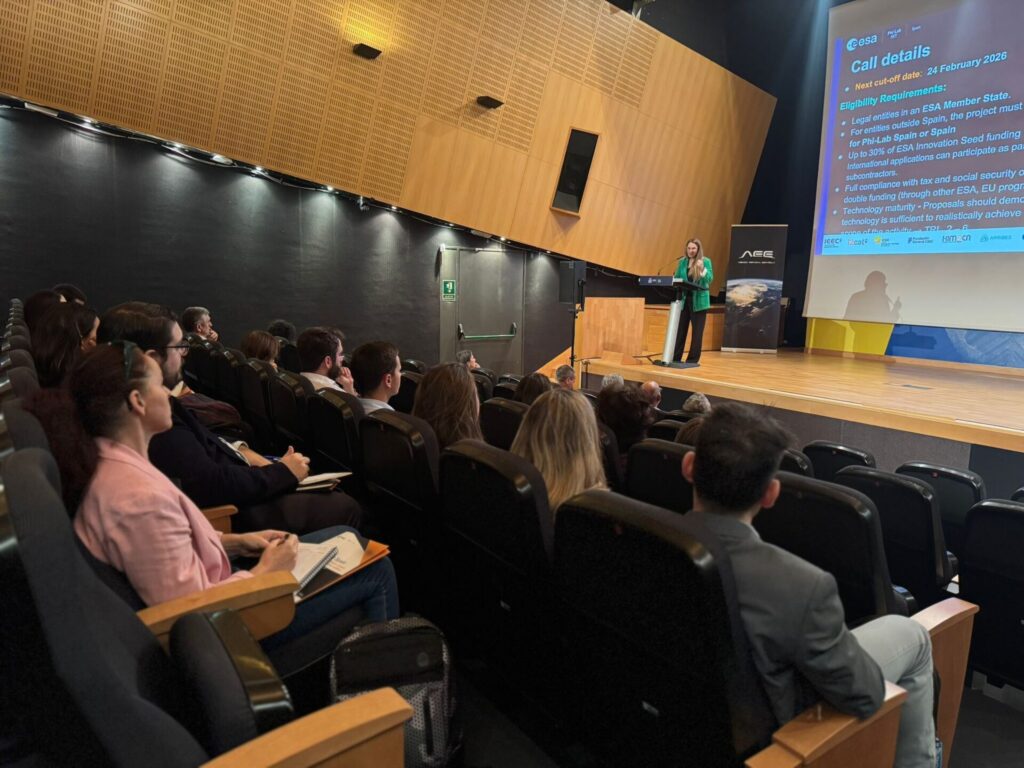
The ESA Phi-Lab Spain session held on 6 November at the Spanish Space Agency (AEE) headquarters in Sevilla brought together leading representatives from the Andalusian and Spanish space ecosystem to foster innovation, collaboration, and technological development in the aerospace sector.
Organised in collaboration with Innova IRV and the Andalusia Aerospace Cluster, and with the support of the Spanish Space Agency (AEE), the event offered a comprehensive overview of the initiatives and opportunities driving the development of disruptive technologies within the European Space Agency (ESA) Commercialisation Gateway framework.
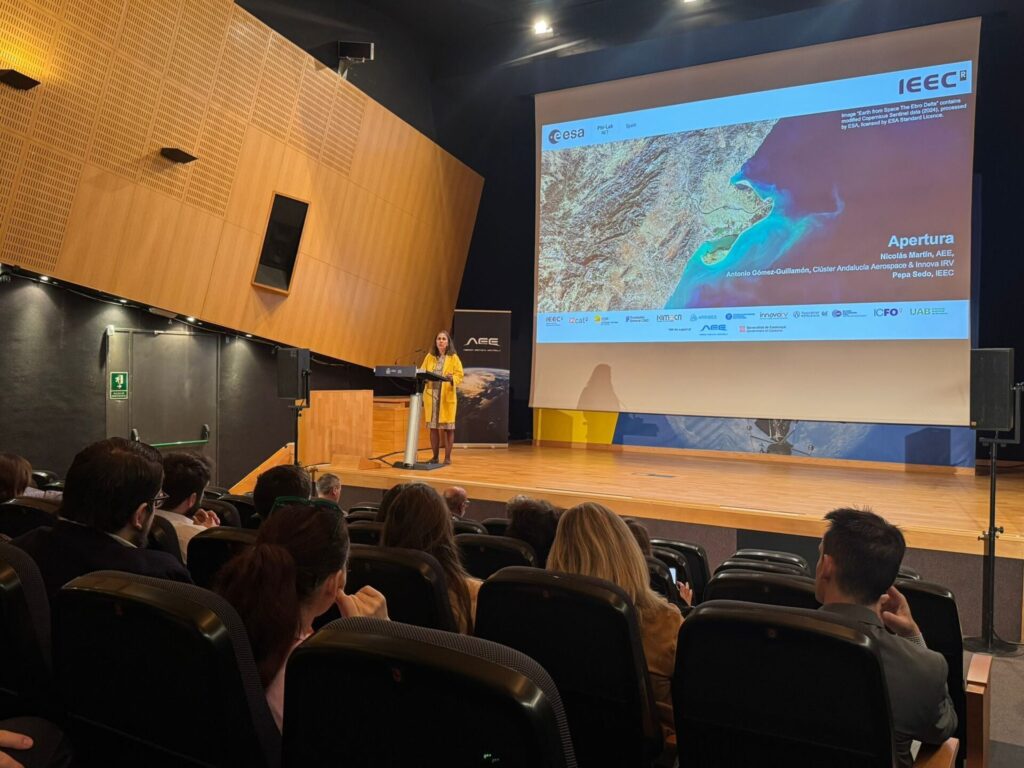
Nicolás Martín, representing the Spanish Space Agency (AEE), opened the session by underlining the importance of ESA Phi-Lab Spain as “one of the pillars of space R&D in Spain,” emphasizing that “it brings together industry, start-ups, and research centres — and the future must be built on this collaboration. Every euro invested in space research should become transversal knowledge, qualified employment, and industrial opportunities.”
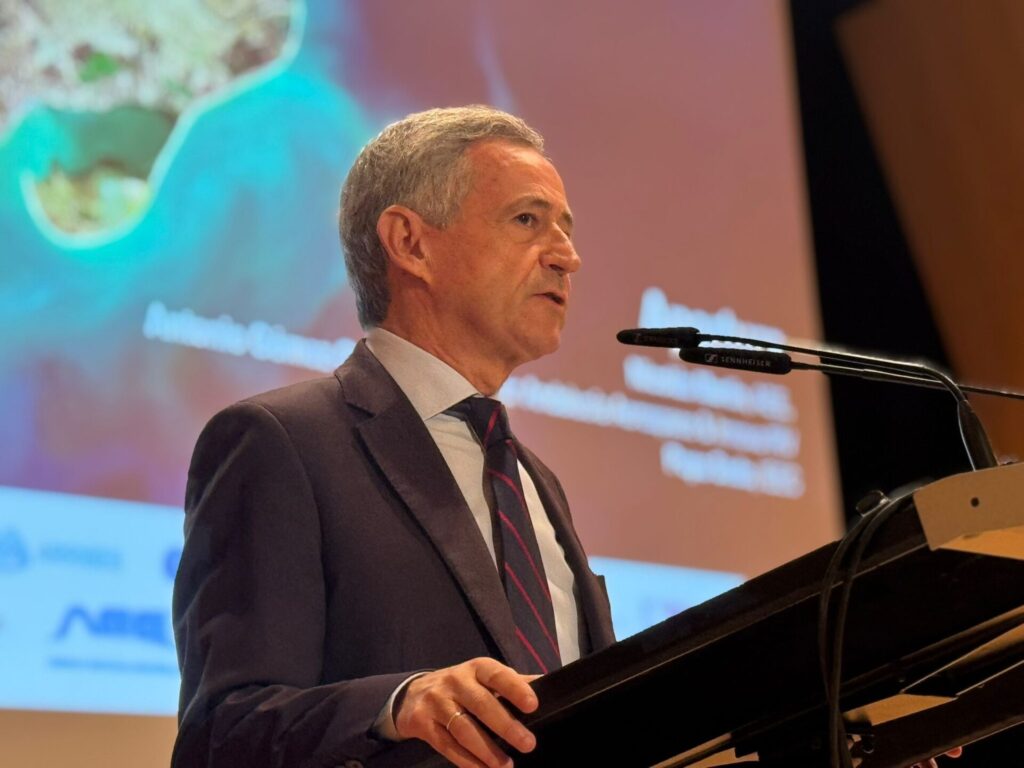
Antonio Gómez-Guillamón, President of the Andalusia Aerospace Cluster, pointed out the sector’s collaborative potential, stating that “this is a call from all New Space actors to work together. We have a whole world to develop in the field of space applications.”
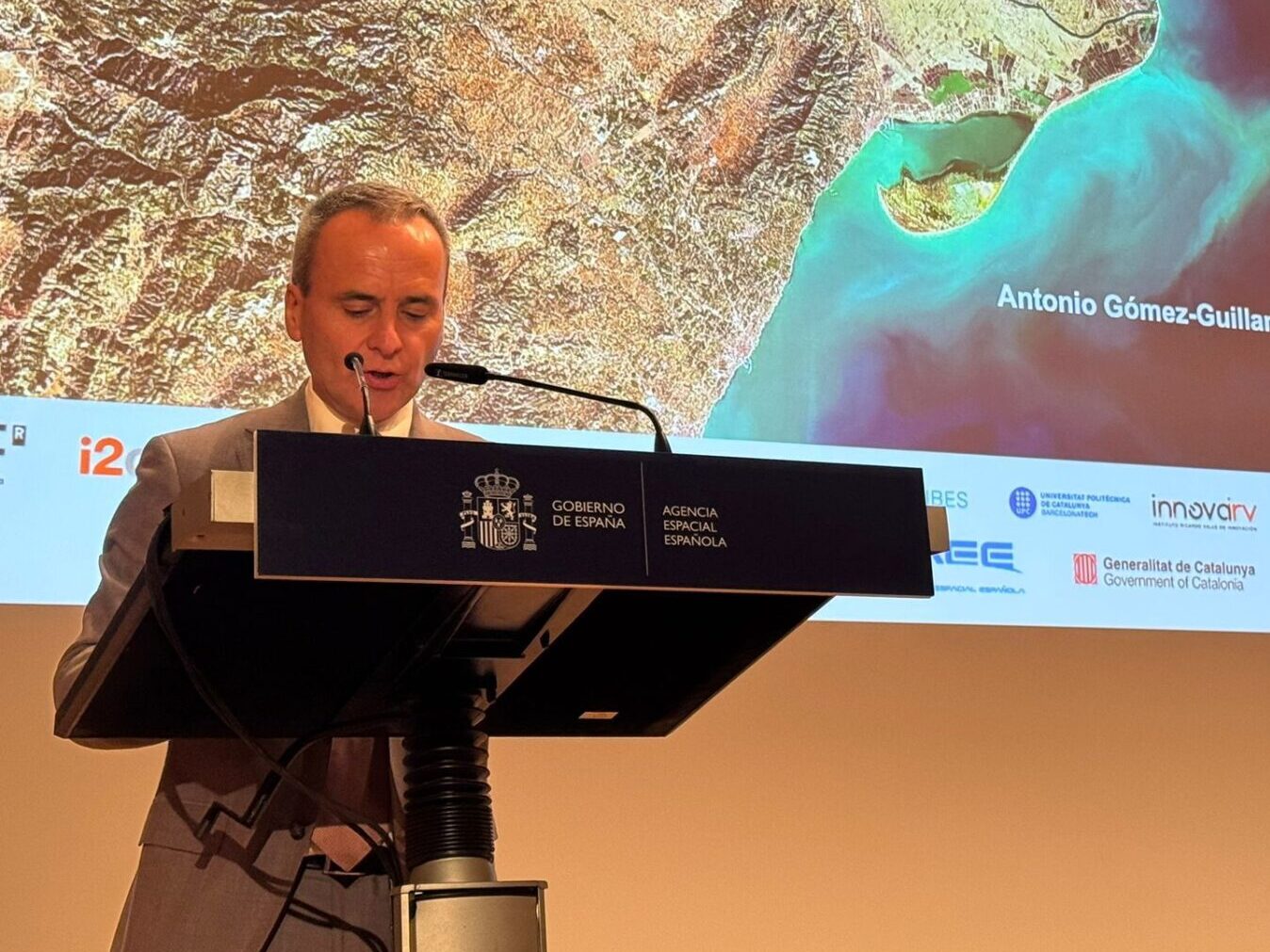
The ESA Phi-Lab Spain programme was presented in detail, by Pepa Sedó, Head of the Development and Innovation Office at IEEC, and Estel Blay, Programme Manager of the same office, outlining the program offering and the requirements of the new cut-off date. The session also highlighted the four projects selected in the first cut-off date, demonstrating how collaboration between industrial players and research and technology centres can foster innovative solutions addressing climate resilience challenges.
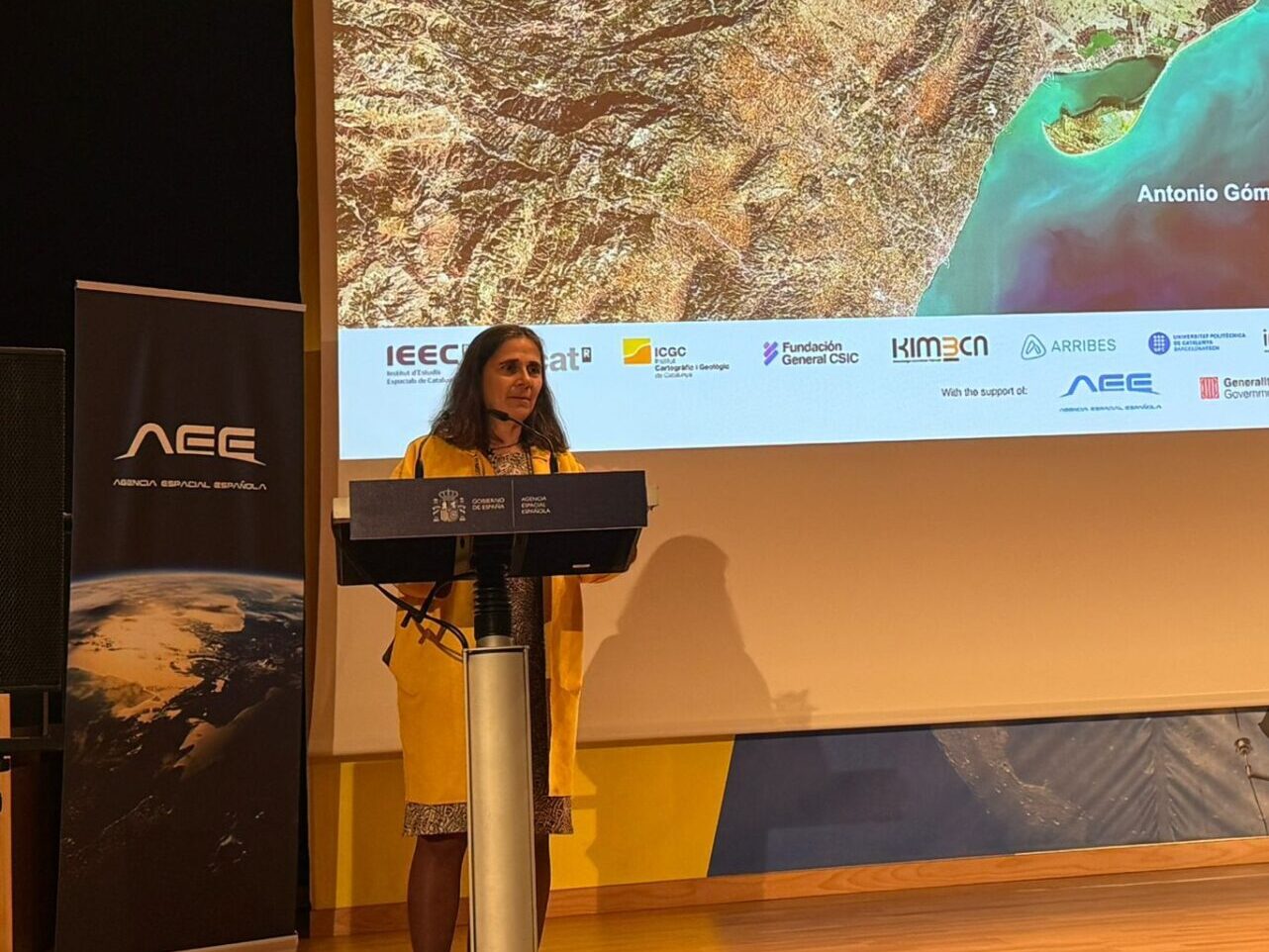
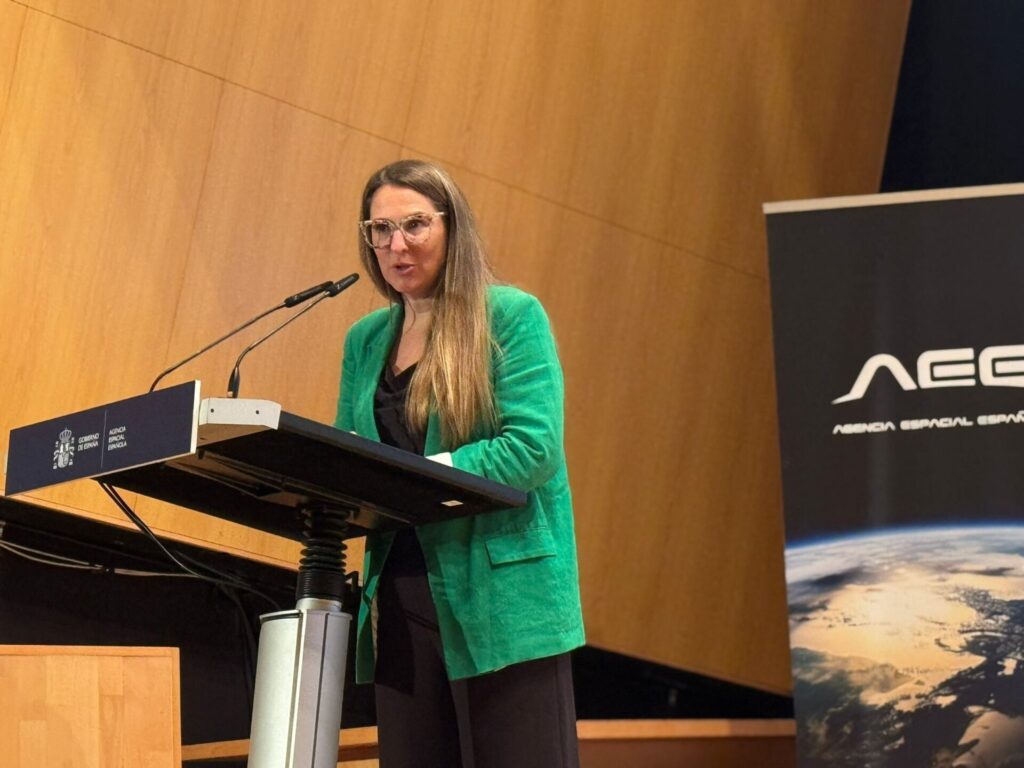
In addition, María José Montilla, European Programs Manager – Entrepreneurship and Competitiveness at the Spanish Space Agency (AEE), presented the evaluation criteria for ESA Phi-Lab Spain projects, outlining how proposals are assessed and what is expected for successful submissions, based on the lessons learned from the first cut-off date.
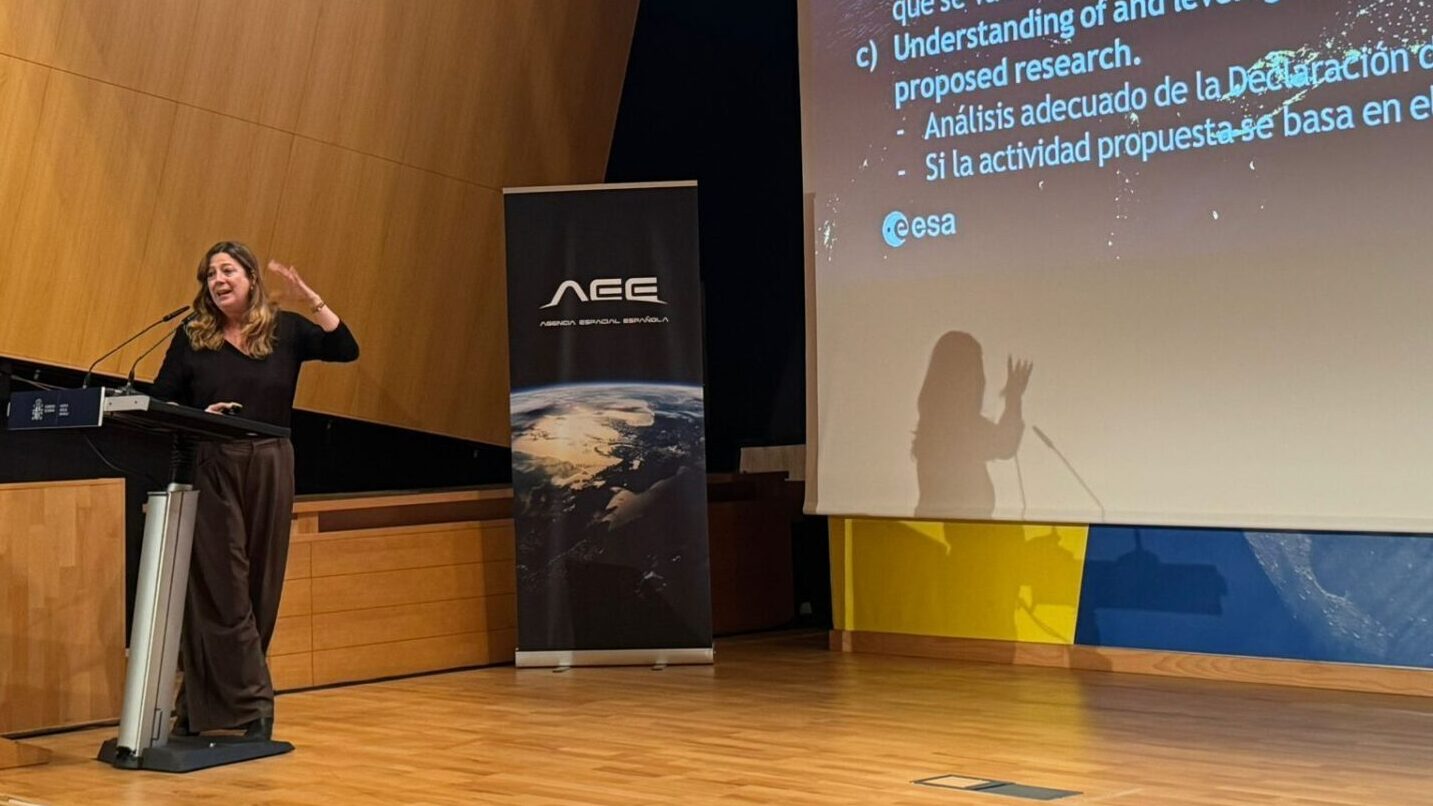
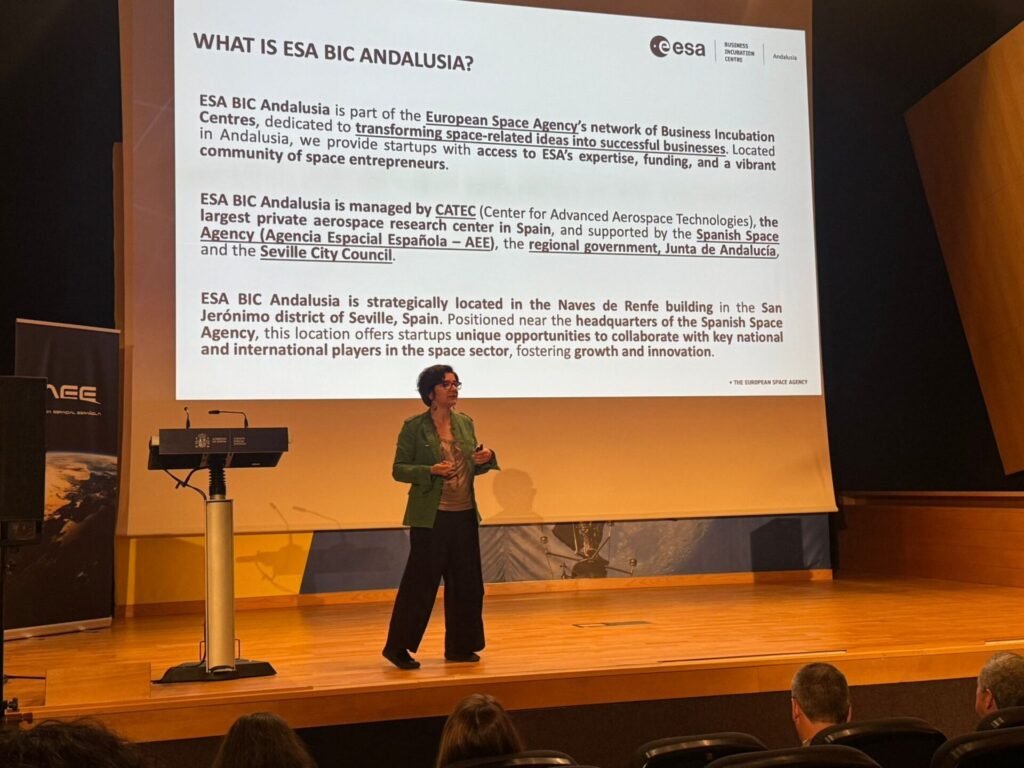
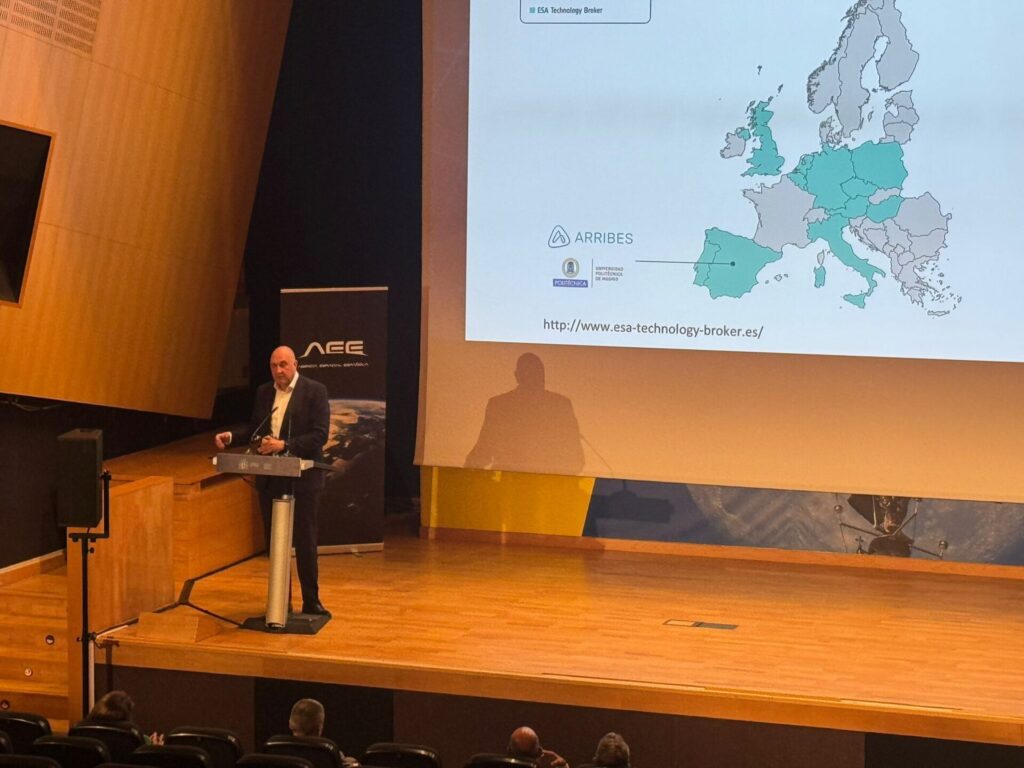
The session continued with detailed presentations on the capabilities of Innova IRV and the Andalusia Aerospace Cluster, followed by overviews of ESA BIC Andalucía and ESA Technology Broker Spain, showing the coordination between the ESA Commercialisation mechanisms in Spain and the opportunities and support available to foster innovation and collaboration within the space sector.
The event concluded with a fruitful networking and B2B session, encouraging participants to explore new opportunities for collaboration, laying the foundation for future partnerships and successful proposals within Spain’s growing space ecosystem.
Discover ESA Phi-Lab Spain: Upcoming Opportunities
During November, there are two more opportunities to get to know the ESA Phi-Lab Spain program, meet the team, and discuss potential collaborations.
- 13 November: Madrid
- 26 November: Derio (Bizkaia)
About ESA Phi-Lab Spain
ESA Phi-Lab Spain is a programme of the European Space Agency (ESA), supported by the Spanish Space Agency (AEE) and the Generalitat de Catalunya. The programme is part of ESA’s ScaleUp Programme, with a focus on promoting innovation and the commercialisation of space technologies to enhance climate resilience.
The programme is coordinated by the Institut d’Estudis Espacials de Catalunya (IEEC), which leads a consortium of twelve universities, research and innovation centres, and companies. These include the i2CAT Foundation, the Cartographic and Geological Institute of Catalonia (ICGC), the Fundación General CSIC, the KIMbcn Foundation, Arribes Enlightenment, the University of Valencia (UVEG), the Polytechnic University of Catalonia (UPC), the Barcelona Supercomputing Center (BSC-CNS), the Ricardo Valle Institute of Innovation Foundation (INNOVA IRV), the ESA MELiSSA Pilot Plant of the Universitat Autònoma de Barcelona (UAB), and the Institute of Photonic Sciences (ICFO)