ESA Phi-Lab Spain Day brings together 15 Climate Resilience projects in Barcelona
The ESA Phi-Lab Spain Day brought together 15 projects currently supported by the program in Barcelona to showcase how space technologies are being applied to climate resilience. Held at the i2CAT facilities, the morning combined programmatic updates, five thematic round tables, and direct exchange among innovators, researchers, and ecosystem partners.
Barcelona, 26 November 2026
Verónica Tercero, Catalonia Space Strategy Coordinator, and Rosa Maria Meseguer Puig, DCA–New Space Coordinator at i2CAT, opened the session. Following the welcome, Estel Blay, ESA Phi-Lab Spain Programme Manager at the Institut d’Estudis Espacials de Catalunya (IEEC), presented the program to newcomers and shared a look ahead at the next cut-off date, expected in 2027, noting that its thematic focus has been narrowed to navigation or critical infrastructures.
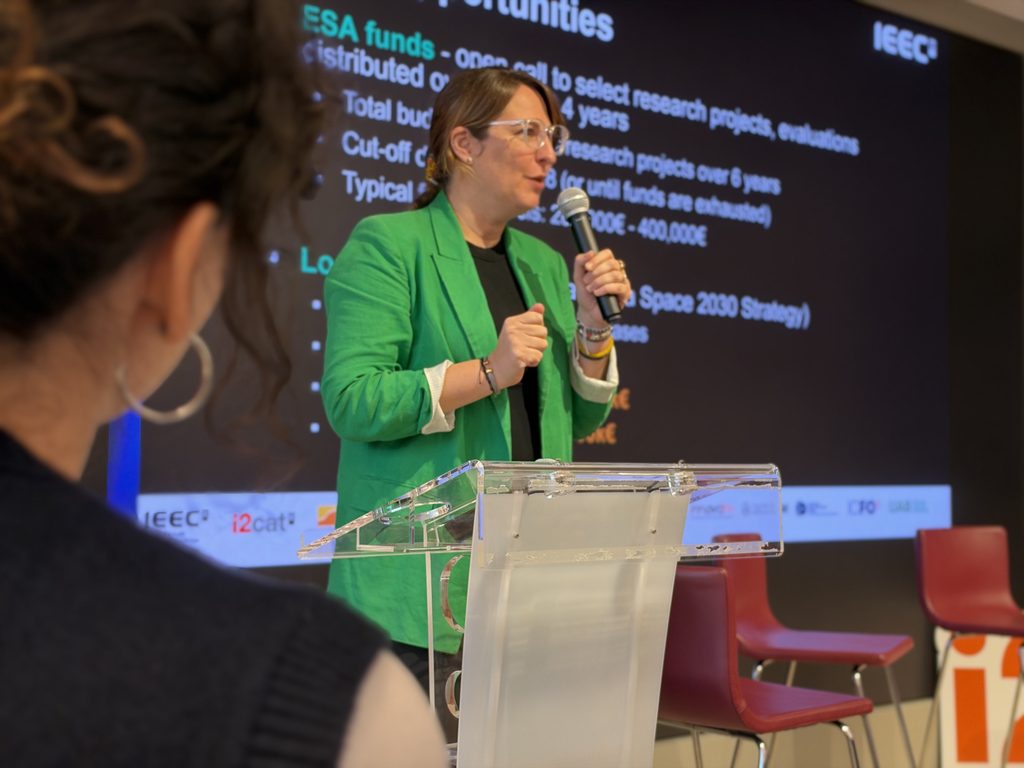
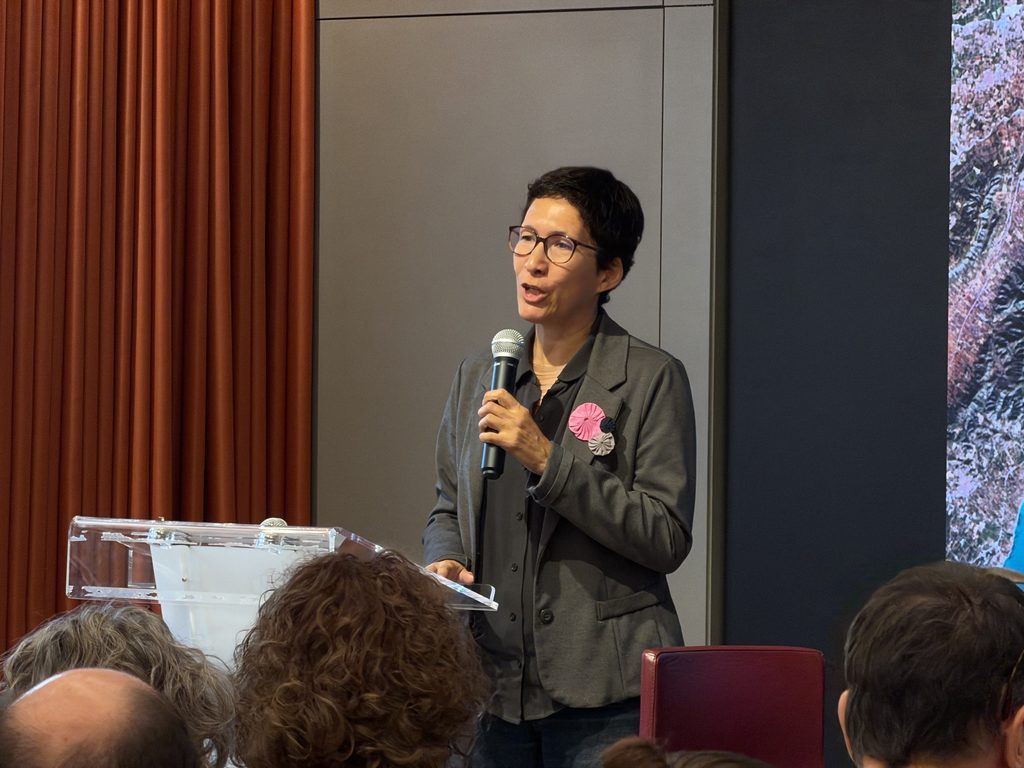
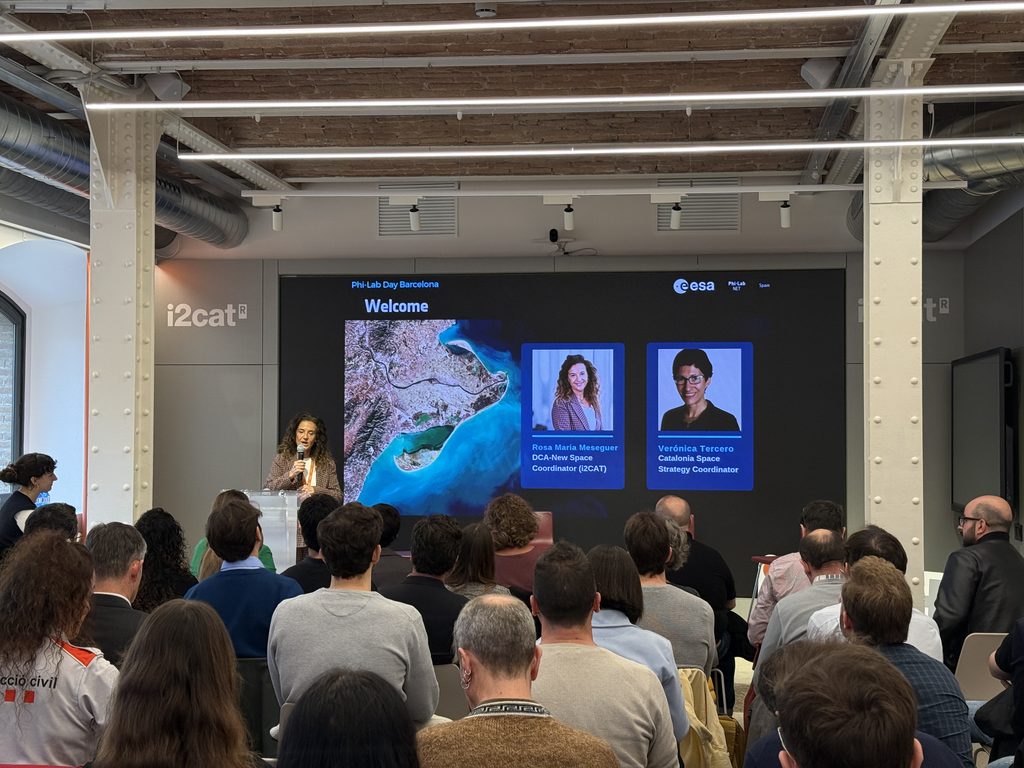
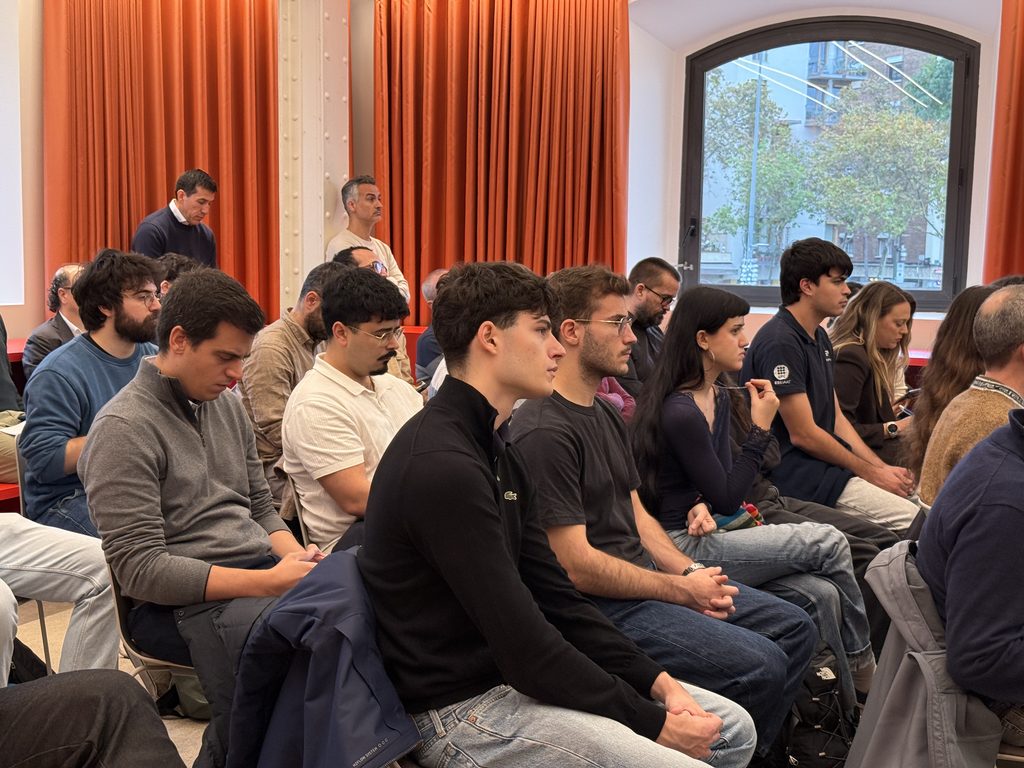
Across the five round tables, participants examined technical hurdles, regulatory developments, routes to commercial adoption, and their day-to-day experience within ESA Phi-Lab Spain.
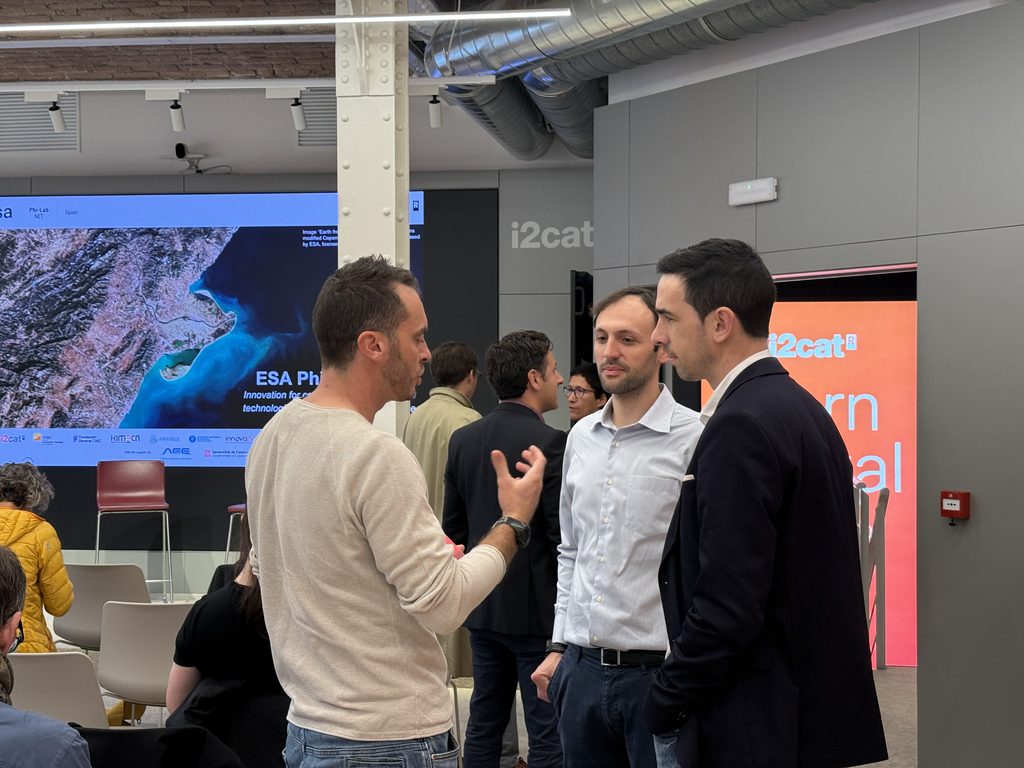
One of the highlights of the morning was the live interaction on stage: as teams compared approaches, they identified potential complementarities and carried those conversations into the networking session afterward.
Thematic Round Tables
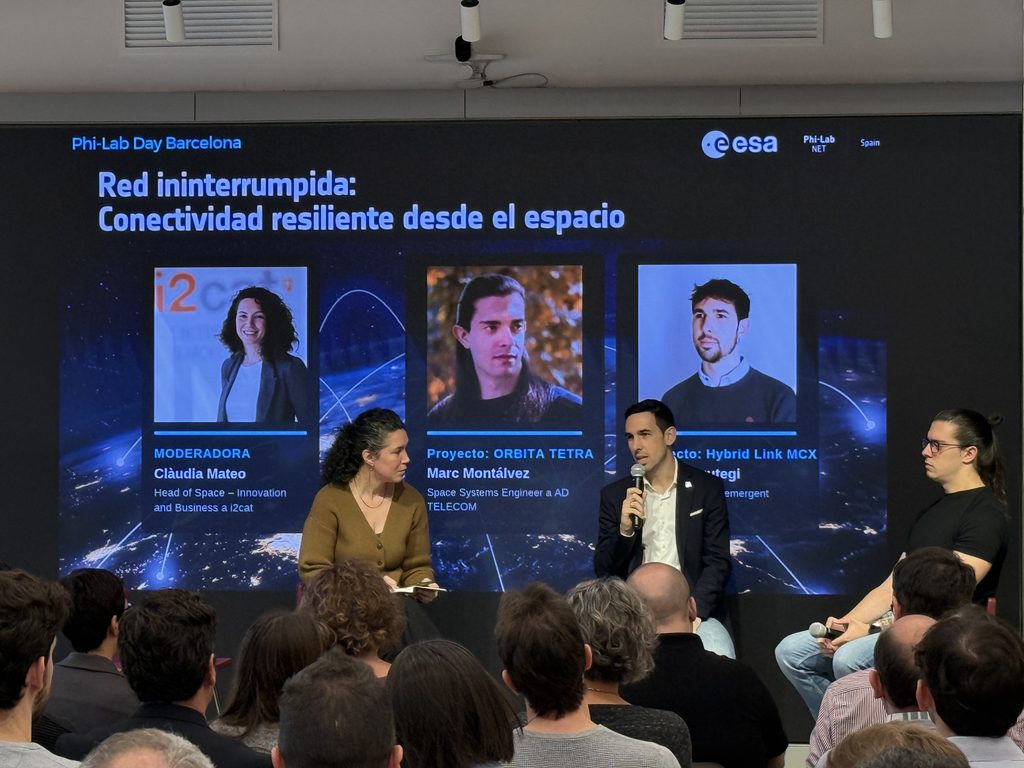
Uninterrupted Network: Resilient Connectivity from Space
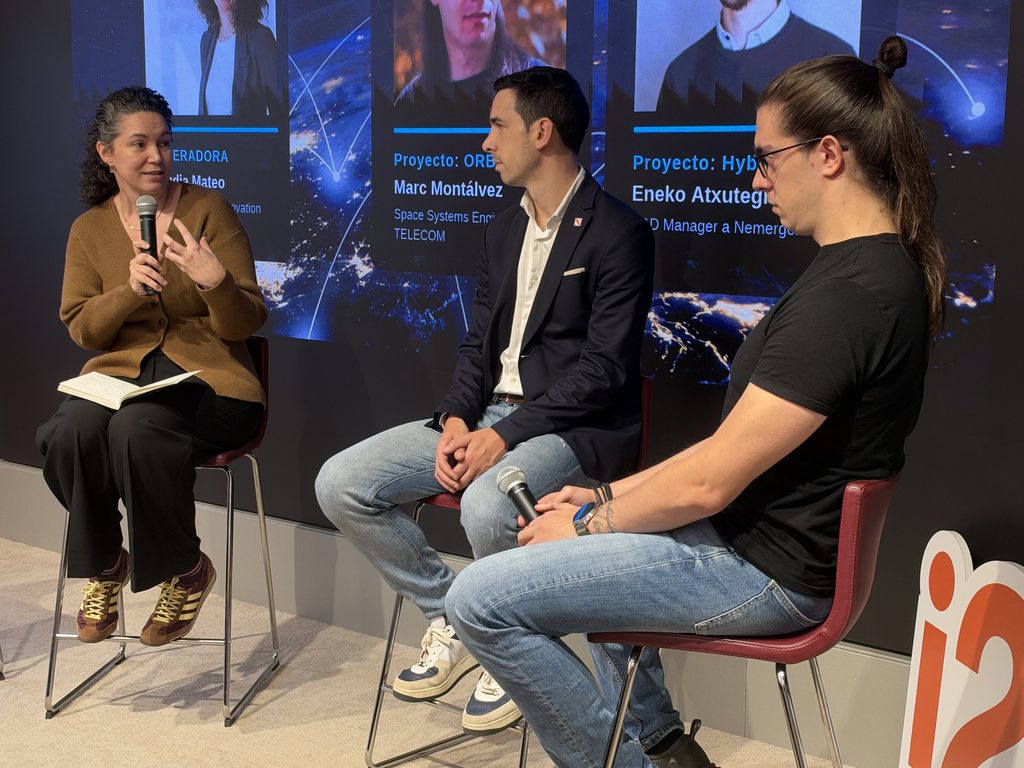
Moderated by Clàudia Mateo (Head of Space – Innovation and Business at i2CAT), this panel looked at how space-based connectivity supports continuity in demanding environments. It featured Orbita Tetra (presented by Marc Montálvez, Space Systems Engineer at AD TELECOM) and Hybrid Link (presented by Eneko Atxutegi, R&D Manager at Nemergent).
Vital Monitoring: Satellite Observation for Water Security
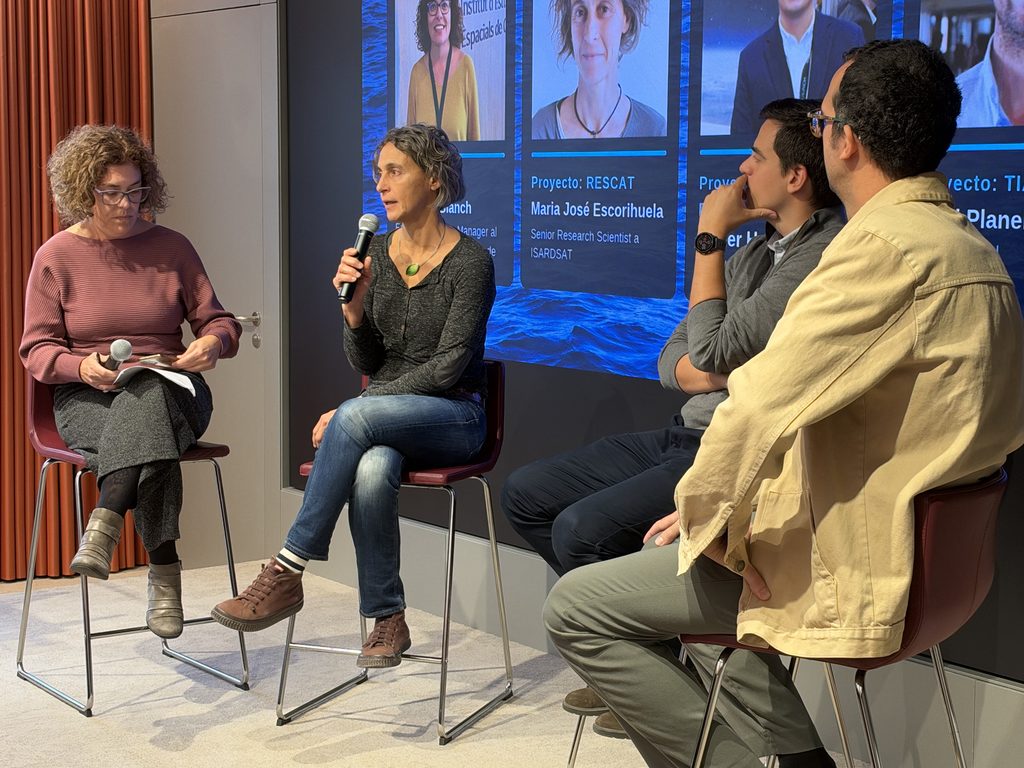
Moderated by Estefania Blanch (Earth Observation Manager at IEEC), this discussion focused on monitoring water resources and coastal dynamics from space alongside complementary technologies. It brought together WAVESS and REMOT (Roger Huerta, Founder & CEO at SPASCAT), RESCAT (Maria José Escorihuela, Senior Research Scientist at isardSAT), and TIAFA (Jordi Planelles, CTO at MOAI).

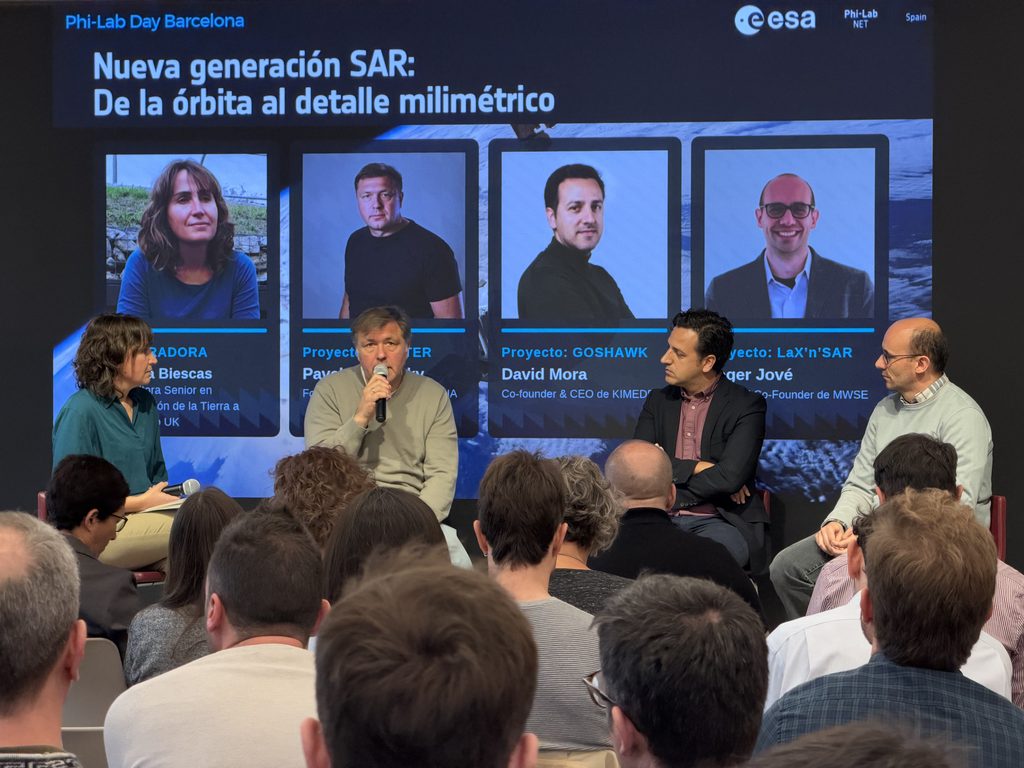
Next-Generation SAR: From Orbit to Millimeter-Level Detail
Moderated by Erlinda Biescas (Earth Observation Senior Consultant at Telespazio UK), this session explored advances in Synthetic Aperture Radar (SAR) for high-precision observation. Participating projects were JUPITER (Pavel Pavlovsky, Founder & CEO at Geokinesia), GOSHAWK (David Mora, Co-founder & CEO at Kimedes), and LaX’n’SAR (Roger Jové, CEO & Co-Founder at MWSE).
New European Standards and Directives: A Driver of Climate and Space Innovation
Moderated by Laia Malet (Lawyer at Augusta Abogados), this panel examined how evolving European rules and standards shape innovation and market readiness across space and climate applications. It featured SKOP (Joan Saladich, CEO & Founder at Geoskop), RISKCHAIN (Ainhoa Jiménez, Business Development, and Albert Fernández, Full Stack Developer at EarthPulse), and AETHER (Raúl Arasa, Applied Technology Director at Meteosim).
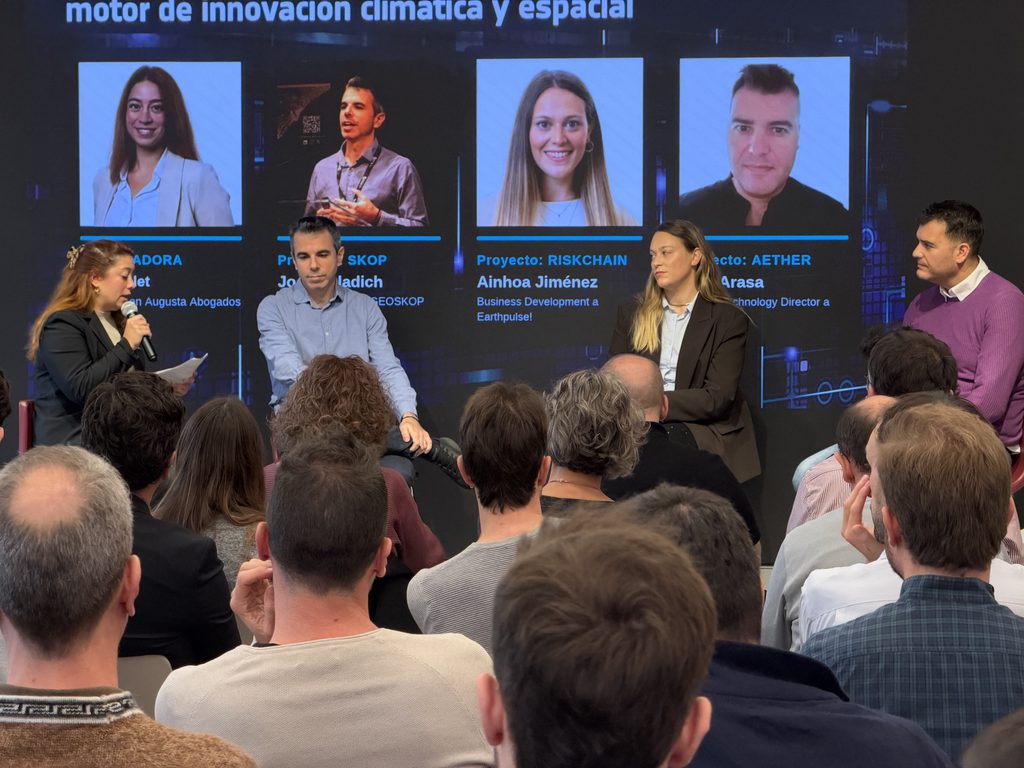
The exchange between a legal perspective and teams building data- and climate-driven solutions stood out as they explored how regulatory frameworks and compliance requirements translate into real product design, credibility, and market adoption.
Alert and Response: Space Technology for Extreme Emergencies
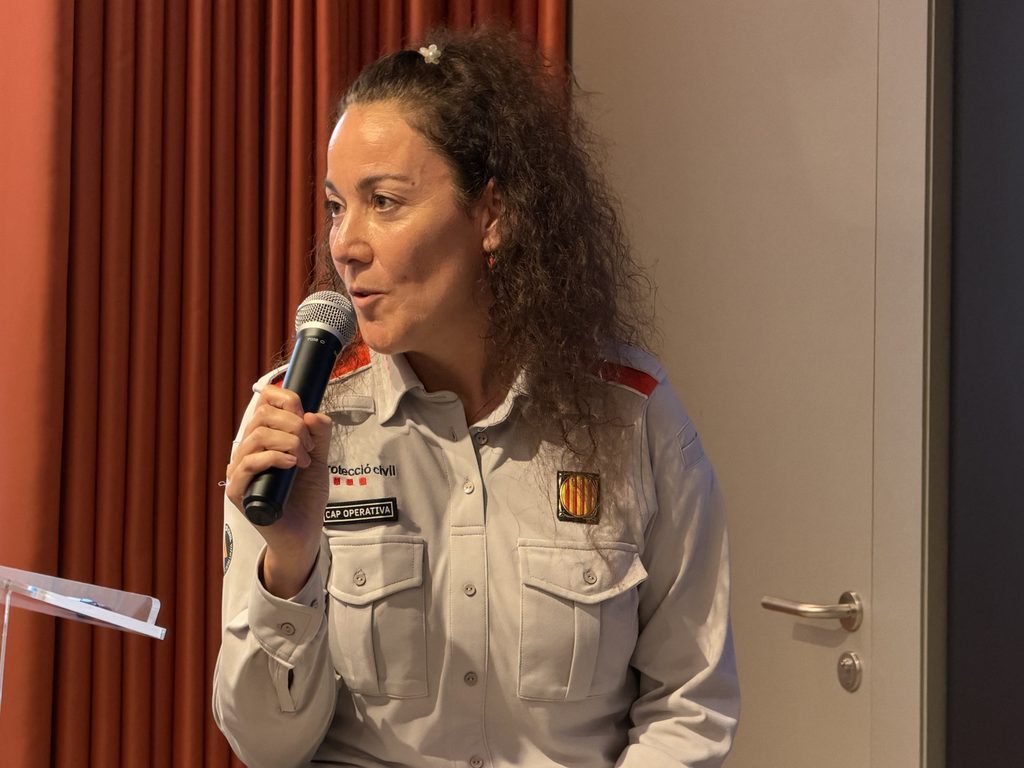
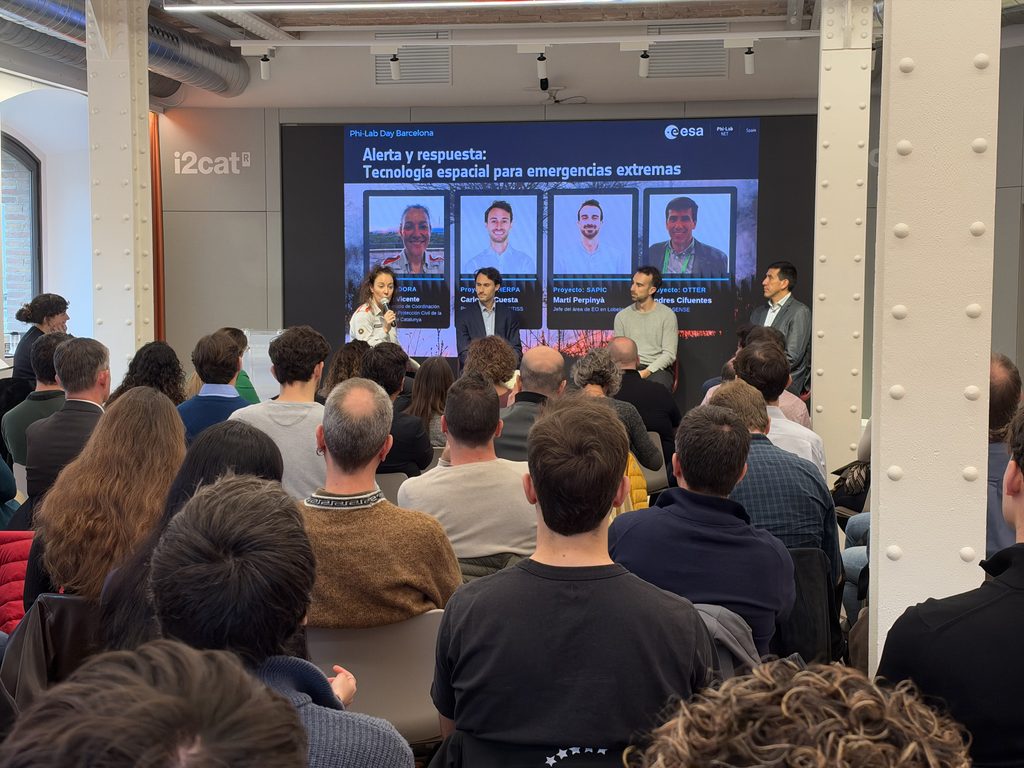
Moderated by Cristina Vicente (Head of the Operational Coordination Service for Civil Protection of the Generalitat de Catalunya), the final round table focused on tools that support preparedness and response during extreme events. It brought together SHERPA (Carlos F. Cuesta, Project Manager at FentISS), SAPIC (Martí Perpinyà, Head of Earth Observation at Lobelia), and OTTER (Andres Cifuentes, CEO at Asense). Having a moderator closely involved in real-world emergency operations created a particularly sharp exchange between solution providers and operational needs, highlighting what responders require in critical moments and how these technologies can adapt to practical field conditions.
Looking ahead to 2027
The event underscored the value of bringing active projects together in person—not only to share progress and lessons learned, but also to spark collaboration across teams working on adjacent challenges. With the upcoming 2027 cut-off date set to focus specifically on navigation or/and critical infrastructures, organizations interested in learning more about ESA Phi-Lab Spain can follow upcoming program announcements or get in touch with the team directly.
Organization and Support
The event was organized by the Institut d’Estudis Espacials de Catalunya (IEEC) and the Digital Catalonia Alliance (DCA), with the support of the i2CAT Research Centre.
About ESA Phi-Lab Spain
ESA Phi-Lab Spain is a programme of the European Space Agency (ESA), supported by the Spanish Space Agency (AEE) and the Generalitat de Catalunya through the Secretariat for Digital Policies of the Ministry of Business and Labor (Departament d’Empresa i Treball). The programme is part of ESA’s ScaleUp Programme, with a focus on promoting innovation and the commercialisation of space technologies to enhance climate resilience.
The programme is coordinated by the Institut d’Estudis Espacials de Catalunya (IEEC), which leads a consortium of twelve universities, research and innovation centres, and companies. These include the i2CAT Foundation, the Cartographic and Geological Institute of Catalonia (ICGC), the Fundación General CSIC, the KIMbcn Foundation, Arribes Enlightenment, the University of Valencia (UVEG), the Polytechnic University of Catalonia (UPC), the Barcelona Supercomputing Center (BSC-CNS), the Ricardo Valle Institute of Innovation Foundation (INNOVA IRV), the ESA MELiSSA Pilot Plant of the Universitat Autònoma de Barcelona (UAB), and the Institute of Photonic Sciences (ICFO)