RESCAT: Field visit and meeting with stakeholders at Ebro Delta
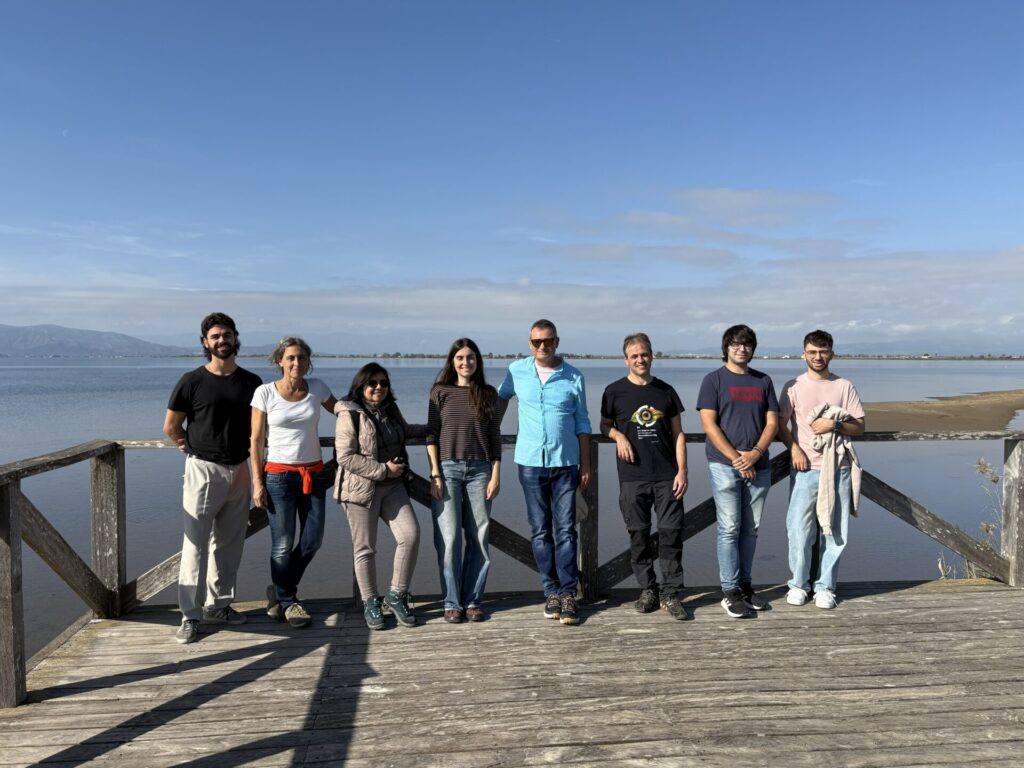
On 12th and 13th November, the isardSAT, Lobelia and Eurecat teams gathered at the Ebro Delta to discuss the user requirements of the RESCAT tool.
Barcelona, December 2025
Understanding an environment in constant evolution
Carles Ibáñez, Head of the Climate Resilience Centre at Eurecat, lead the team through a visit to several characteristic spaces of the Ebro Delta landscape.
The tour included visits to rice fields and wetlands, with special regards to how the human use of land has shaped the delta through the years, and how crops and irrigation systems have adapted to the changing delta dynamics.
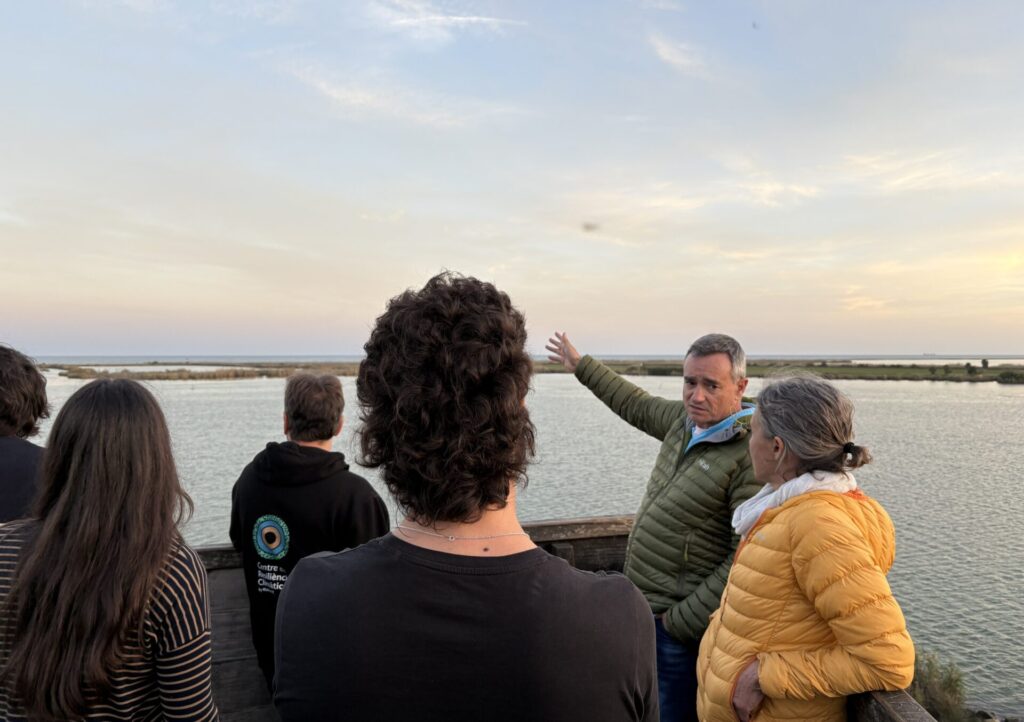
The team also studied special geographical features like the Trabucador and Marquesa beaches and the Ebro estuary. These sites provided tangible examples of how sea dynamics and the river’s sediment contribution drive the region’s evolving landscape.
Additionally, the group visited the Riet Vell Bird Observatory to experience the Delta’s rich birdlife. They also learned about innovative agricultural practices ensuring sustainable rice production and land use.
Identifying stakeholders needs to become more resilient
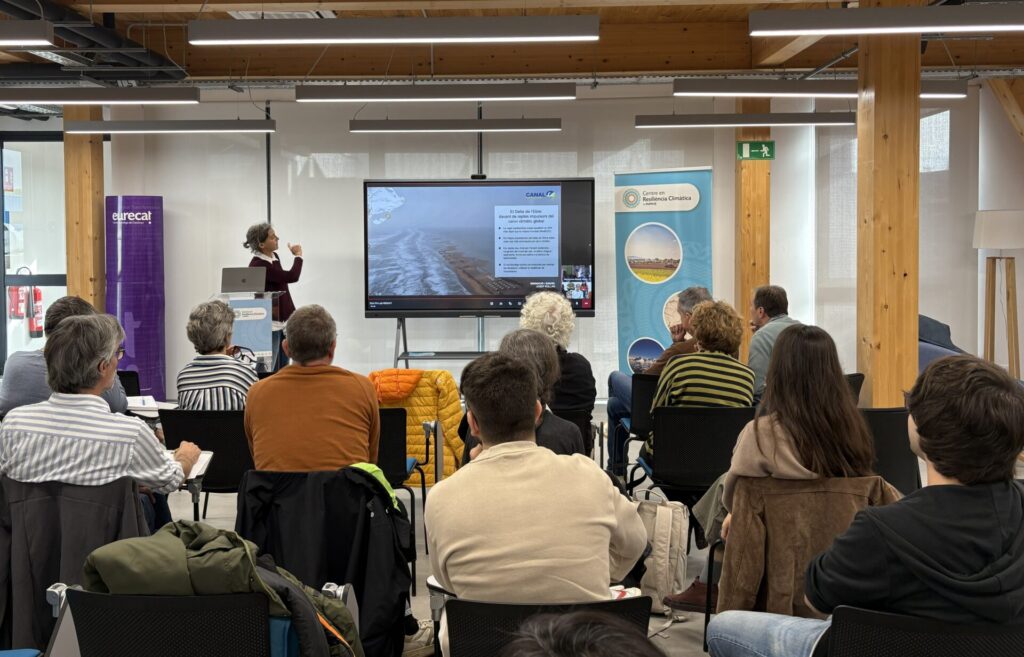
During the next day, isardSAT introduced the project to the stakeholders, and Lobelia made a demo of the possibilities of the tool. Afterwards, the team conducted a guided discussion to understand the most pressing impacts concerning local farmers and determine how the future RESCAT tool can best assess and mitigate them.
Learn more about RESCAT
Resilience and Environmental Satellite monitoring for Climate Action and Transformation
RESCAT aims to provide an integrated tool that enhances stakeholders ability to contribute to climate resilience using the scalable Ebro Delta case. By integrating Earth Observation (EO) data with in-situ measurements and AI-driven models, this tool will measure the impact of already implemented actions in the area, helping to prioritise future interventions. Additional information about RESCAT is available on its dedicated section in our page.
For more insights into RESCAT, read our recent interview with the team