ORBITA TETRA
LEO SATELLITE CHANNEL FOR RESILIENT CRITICAL COMMUNICATIONS IN EMERGENCY SITUATIONS
Introduction
Firefighters, police officers, and other emergency services use a radio communication standard known as TETRA. During major disasters, such as wildfires or floods, there is a risk that this terrestrial infrastructure may be damaged or destroyed, leaving response teams without a reliable way to coordinate. AD Telecom and i2CAT will address this issue through the ORBITA TETRA project by introducing a satellite-based service that will help maintain emergency communications when terrestrial networks fail.
Objectives
The main objective of ORBITA TETRA is to ensure resilient emergency communications when terrestrial TETRA networks are disrupted. This includes:
- Preserve communication continuity by keeping first responders connected when a disaster disrupts terrestrial networks.
- Leverage existing infrastructure by using current TETRA terminals to provide satellite support without the need to replace equipment.
- Test the technology for deployment by validating the satellite hardware and software required for use in real-world conditions.
ORBITA TETRA brings critical communications into space. We enable existing TETRA radio terminals to communicate via satellite without the need to modify the equipment. Our system includes a high-gain satellite antenna, intelligent onboard digital signal processing, and dynamic Doppler effect compensation.
As extreme weather events become more frequent and severe, damage to terrestrial communications infrastructure can compromise emergency response precisely when it is needed most.
ORBITA TETRA provides an independent layer of satellite support capable of maintaining operations during floods, wildfires, storms, and other crises caused by climate-related events.
This provides response teams with a more reliable way to share alerts, request support, and coordinate resources during critical situations. The result is improved emergency preparedness and greater safety for both communities and first responders.
ORBITA TETRA is being developed for emergency services, civil protection authorities, and law enforcement and security agencies around the world.
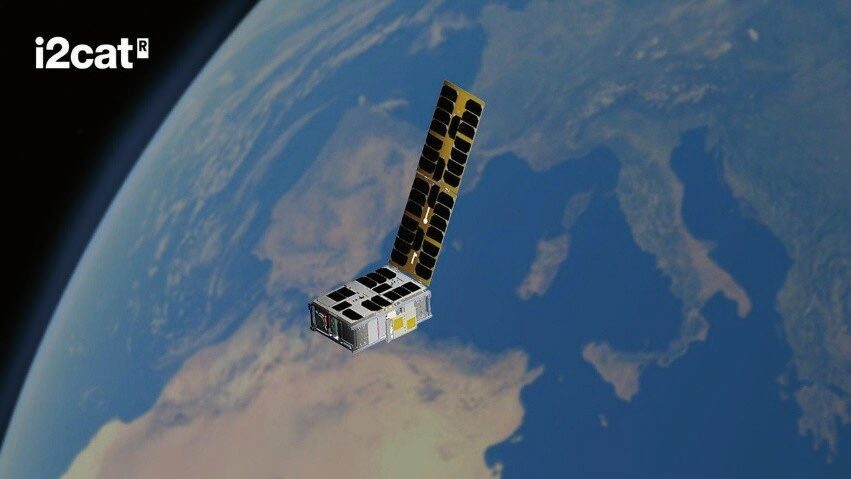
The project will be validated under real orbital conditions using i2CAT’s 6GStarLab satellite, as well as in the laboratory through advanced orbital emulation systems.
The commercial strategy follows a scalable model, progressing from TRL 5 validation and regulatory work to in-orbit demonstrations with emergency service operators.
Subsequently, a 24/7 satellite constellation service will be deployed and activated whenever terrestrial networks are unavailable.
Consortium